GST Compliance Management
GSTR-9: The GST Annual Return Filing in Prayagraj
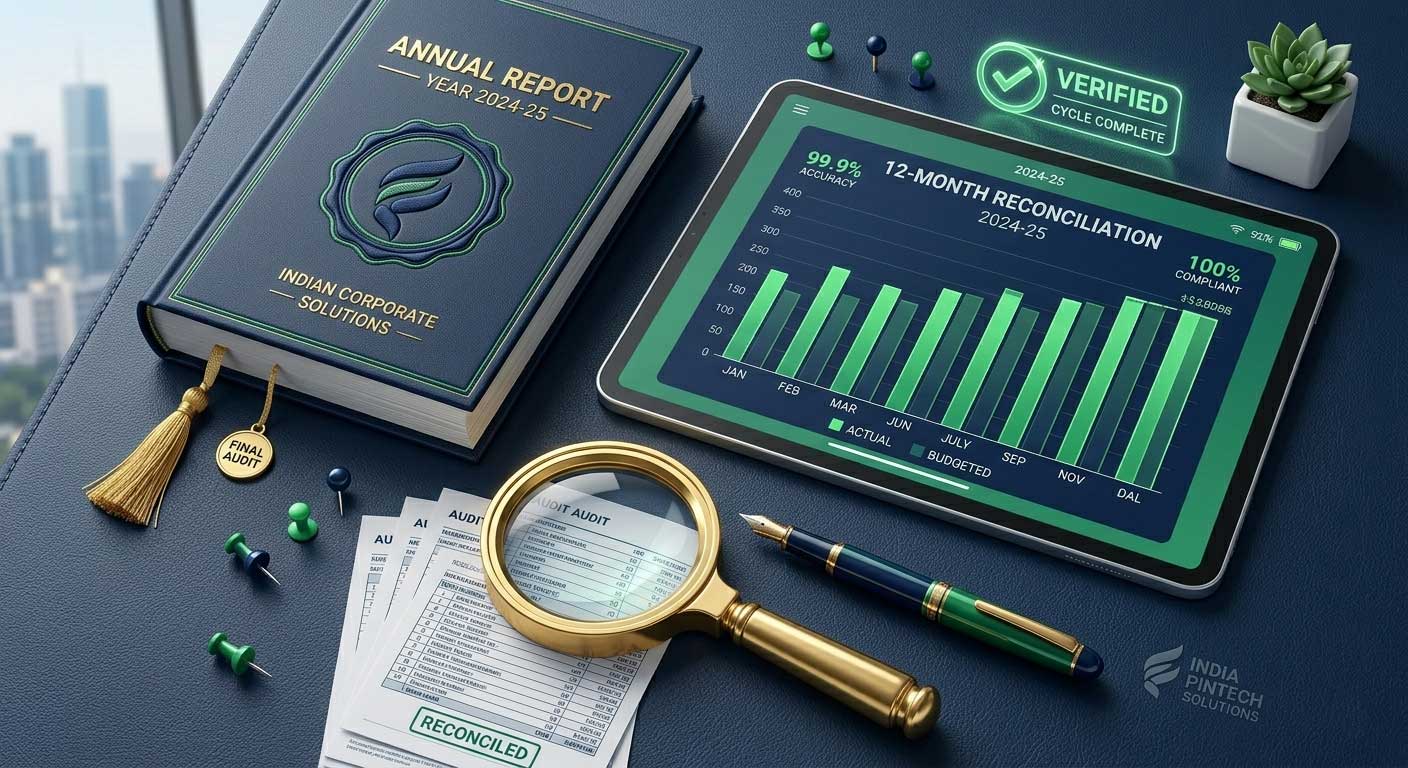
The GSTR-9 is more than just another tax form—it is your final "Annual Statement of Account" with the GST department. It acts as a consolidated summary of all your monthly or quarterly GSTR-1 and GSTR-3B filings for the entire financial year. Filing this accurately is the only way to ensure your books of accounts match the GST portal perfectly.
At The Online Tax, we use the GSTR-9 as a powerful tool for your business health. Our Chartered Accountants perform a deep-dive audit of your yearly data, identifying any missed Input Tax Credit (ITC) or unpaid tax liabilities before the department notices them. We handle the complex reconciliation between your Purchase Register, GSTR-2B, and GSTR-3B, giving you absolute "Annual Peace of Mind."

COMPLIANCE THRESHOLDS
Who Must File GSTR-9?
While the law requires all regular taxpayers to file an annual return, the government provides specific exemptions for small businesses to reduce their compliance burden.
Mandatory Filing:
- Regular Taxpayers: Every business registered under GST with a turnover exceeding ₹2 Crores must file GSTR-9.
- GSTR-9C (Reconciliation Statement): If your annual aggregate turnover exceeds ₹5 Crores, you must also file GSTR-9C, which is a self-certified reconciliation statement.
- SEZ Units & Developers: All units operating within Special Economic Zones are required to file the annual return.
Optional / Exempt:
- Small Taxpayers: Businesses with a turnover of up to ₹2 Crores have been exempted from filing GSTR-9 for recent financial years (though voluntary filing is recommended for accuracy).
- Composition Dealers: They do not file GSTR-9; they file GSTR-9A instead.
- Input Service Distributors (ISD): Casual Taxable Persons and Non-Resident Taxable Persons are not required to file an annual return in Prayagraj.
DOCUMENTATION
The Annual Reconciliation Checklist
Since GSTR-9 is a summary of the whole year, we need to compare your physical records against the digital footprints on the GST portal.
Audited Books of Accounts
The final Balance Sheet and Profit & Loss statement for the financial year.
Consolidated Sale/Purchase
A 12-month summary of all tax invoices issued and received, mapped to the monthly returns filed.
ITC Reversal Data
Records of any Input Tax Credit reversed during the year due to non-payment to vendors within 180 days.
HSN-wise Summary
A summary of inward and outward supplies categorized by their HSN codes (mandatory for turnover above specified limits).
CLARIFICATIONS
GSTR-9 Frequently Asked Questions
Essential facts you should know before the December 31st deadline.