INCOME TAX SOLUTIONS
ITR-3: For Businesses & Professionals
Running a business, practicing a profession, or trading in the stock market comes with its own set of unique tax challenges. ITR-3 is the most comprehensive tax form designed specifically for individuals and Hindu Undivided Families (HUFs) generating income from a proprietary business or profession.
At The Online Tax, we understand that your time is better spent growing your business than untangling tax codes. Whether you need to draft a Balance Sheet, calculate complex depreciation, offset F&O trading losses, or prepare for a Tax Audit, our Chartered Accountants handle the heavy lifting. We ensure every legitimate business expense is claimed to minimize your tax outflow while maintaining strict compliance with the Income Tax Department.

CHECK YOUR ELIGIBILITY
Who Needs to File ITR-3?
ITR-3 applies to anyone who has income under the head "Profits and Gains of Business or Profession" and has chosen not to (or is not eligible to) opt for the presumptive taxation scheme (ITR-4).
You MUST file ITR-3 if you:
- Run a Proprietary Business: Retailers, wholesalers, manufacturers, or e-commerce sellers operating as a sole proprietorship.
- Are an Independent Professional: Doctors, Lawyers, CAs, Architects, IT Consultants, and Freelancers maintaining proper books of accounts.
- Trade in F&O or Intraday: Futures & Options (F&O) and intraday stock trading are classified as business income, mandating ITR-3.
- Are a Partner in a Firm: Receiving salary, bonus, commission, or interest from a partnership firm or LLP.
- Exceed Presumptive Limits: If your business turnover exceeds ₹3 Crores or professional receipts exceed ₹75 Lakhs (subject to cash limits).
You CANNOT file ITR-3 if you:
- Have Only Salary/Property Income: If you don't have business income, use ITR-1 or ITR-2.
- Opt for Presumptive Taxation: If you declare profits at a flat percentage (e.g., 8% of turnover under 44AD or 50% for professionals under 44ADA), you should file the much simpler ITR-4 (Sugam).
- Are a Company or LLP: ITR-3 is only for Individuals and HUFs. LLPs and Partnership Firms must file ITR-5, and Private Limited Companies must file ITR-6.
DOCUMENTATION
What You Need to Provide
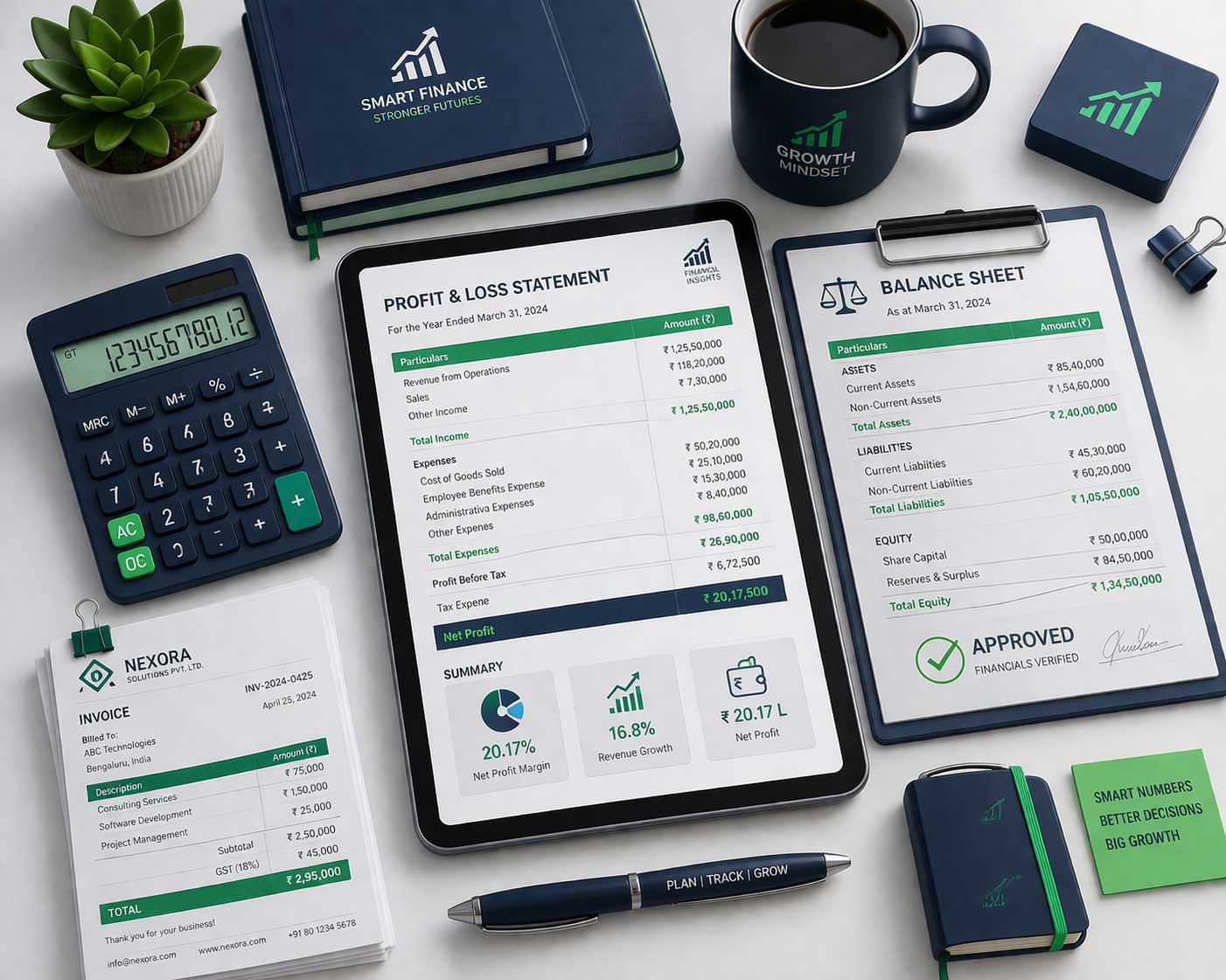
Filing ITR-3 requires proper accounting data. If you don't have these ready, don't worry—our Complete Accounting services can help prepare your financial statements before filing.
Financial Statements
Your final Profit & Loss (P&L) Account and Balance Sheet for the financial year.
Bank Statements
Statements for all Current and Savings accounts linked to your business or profession.
GST & TDS Returns
Copies of filed GST returns to reconcile turnover, and Form 26AS/AIS to claim TDS credits.
Trading Ledgers (For Traders)
Tax P&L statements from your stockbroker if you engage in Intraday or F&O trading.
CLARIFICATIONS
Frequently Asked Questions for ITR-3
Expert answers to common queries regarding business and professional tax filing.