LEGAL REPRESENTATION & APPEALS
Tribunal Cases (ITAT)
If the Commissioner of Income Tax (Appeals) [CIT(A)] rejects your appeal or rules only partially in your favor, the battle is not over. Your next legal remedy is filing a Second Appeal before the Income Tax Appellate Tribunal (ITAT). The ITAT is the highest fact-finding authority in Indian tax law—meaning whatever factual conclusions the Tribunal reaches are generally considered final and binding.
Litigating at the Tribunal level requires an elite understanding of tax jurisprudence, especially as we navigate the complexities of the new Income Tax Act 2025 alongside legacy 1961 Act cases. At The Online Tax, our seasoned Tax Advocates and Senior Chartered Accountants specialize in ITAT representation. We meticulously prepare "Paper Books," draft compelling legal submissions in Form 36, and aggressively argue your case before the Honorable Bench to secure a favorable verdict and drop unjust tax demands.
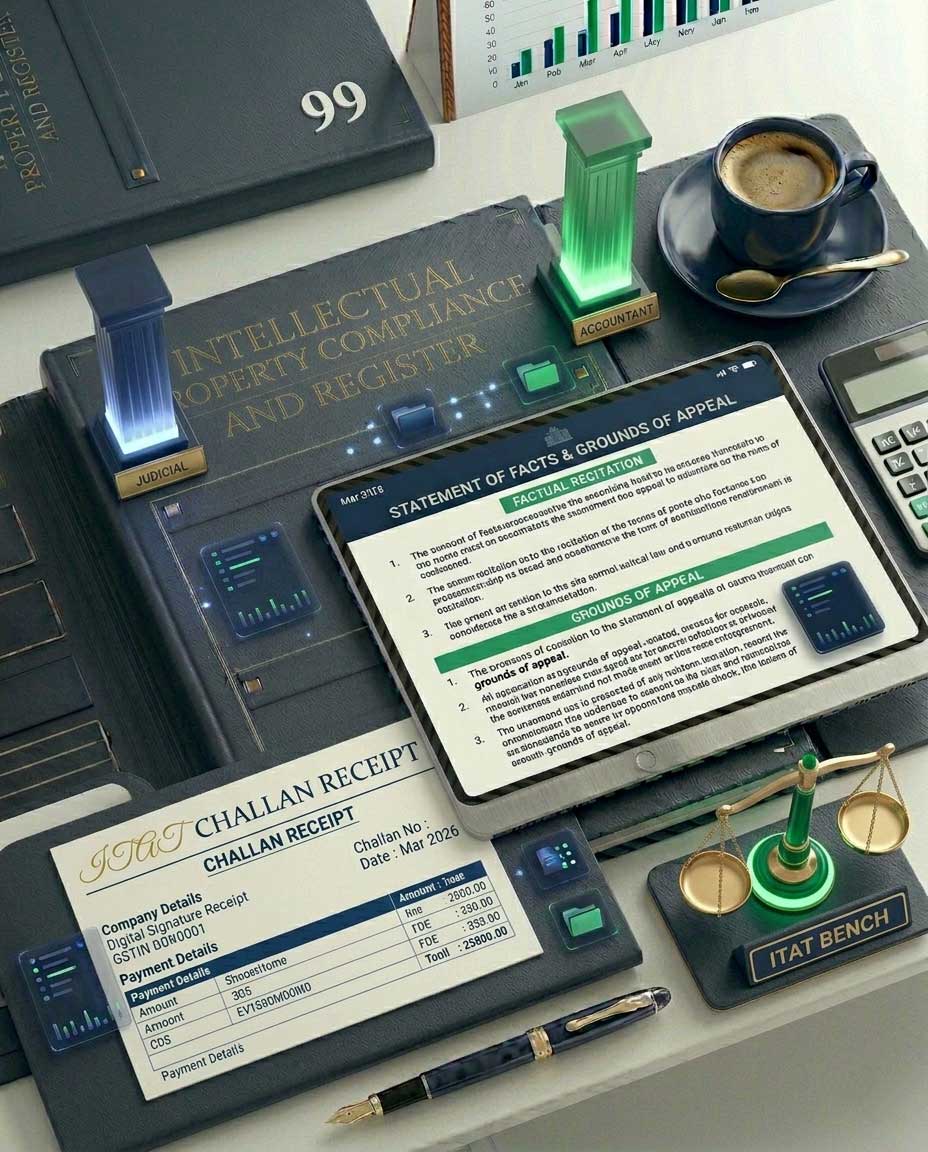
THE ITAT ADVANTAGE
The Highest Fact-Finding Body
Unlike the CIT(A), which is largely an internal departmental authority, the ITAT operates under the Ministry of Law and Justice, offering an independent, judicial review of your case.
How the Tribunal Works:
- Independent Bench: Cases are heard by a bench consisting of two members—one Judicial Member (with a legal background) and one Accountant Member (a senior CA or tax official).
- Cross-Objections: If you win at the CIT(A) level, the Income Tax Department can appeal against you at the ITAT. We defend you against these departmental appeals.
- Factual Finality: The ITAT is the final authority on facts. If you lose here, you can only appeal to the High Court if your case involves a "Substantial Question of Law."
Power to Grant Stay:
- Stopping Recovery: If the tax department is threatening to freeze your bank accounts or attach property, the ITAT has the statutory power to grant a Stay of Demand.
- The 20% Rule: Generally, the Tribunal will ask you to deposit a minimum of 20% of the disputed tax to grant a stay on the remaining 80%.
- Maximum Stay Period: The stay is typically granted for 180 days (extendable up to 365 days) while your appeal is being heard.
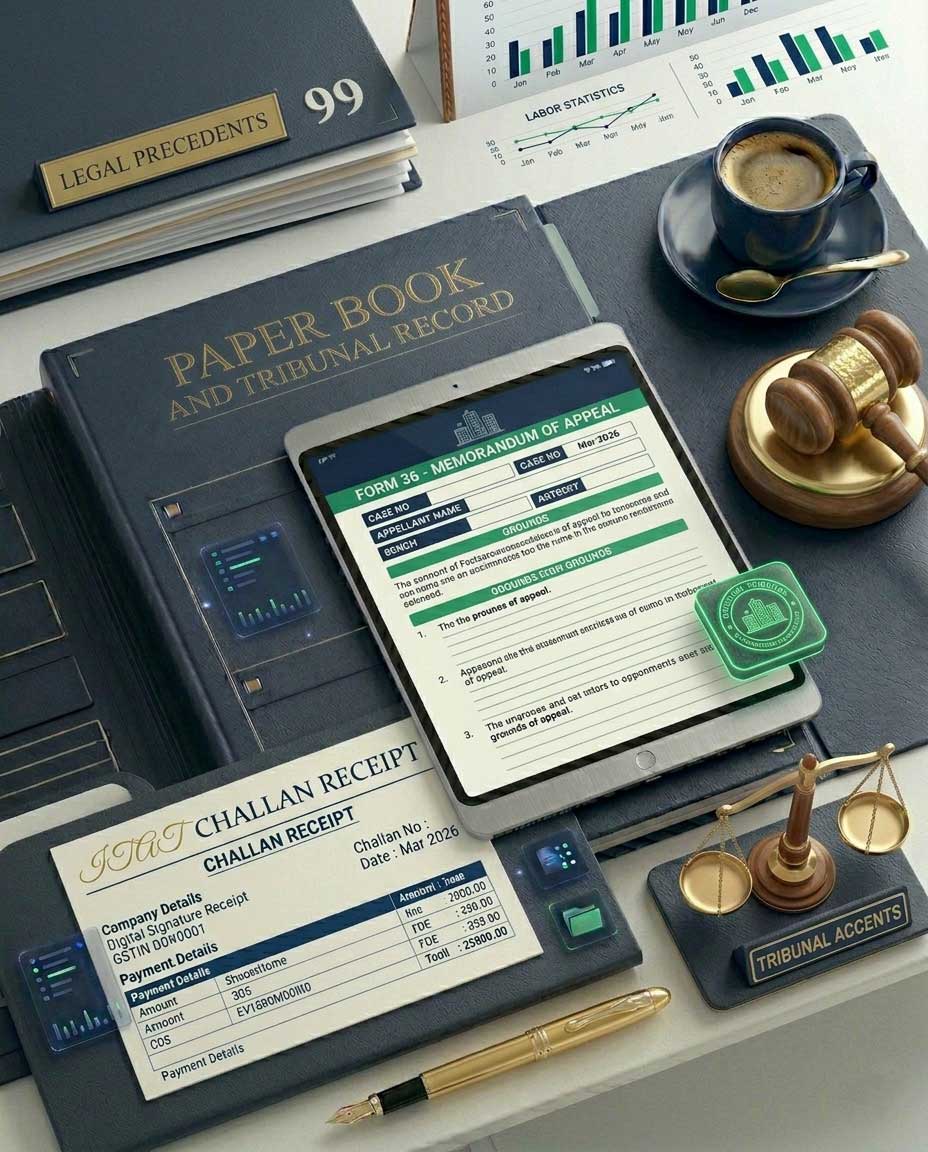
THE PREPARATION
Drafting Form 36 & Paper Books
Appearing before the ITAT is highly formalized. Submissions must be presented in a specific, bound format known as a "Paper Book," containing certified copies of all prior proceedings.
Form 36 Preparation
The official legal memorandum of appeal, meticulously detailing the precise grounds on which we are challenging the CIT(A)'s order.
Certified Order Copies
Certified, physical copies of the Assessing Officer’s original assessment order and the CIT(A)’s contested appellate order.
Case Law Citations
We compile past rulings from High Courts and the Supreme Court that support your specific tax position to present to the bench.
Tribunal Fee Challan
Proof of payment for the ITAT filing fee, which varies depending on the total income assessed by the Assessing Officer.
CLARIFICATIONS
Frequently Asked Questions
Essential rules regarding tribunal timelines and hearing procedures.